Healing isn’t about erasing or correcting the past.
It’s about upcycling it—transforming early experiences into new possibilities for connection, clarity, and thriving.
My Story
How I Became a EMDR Therapist
A journey shaped by two different worlds, a deep longing for connection, and a belief that healing is possible for everyone.
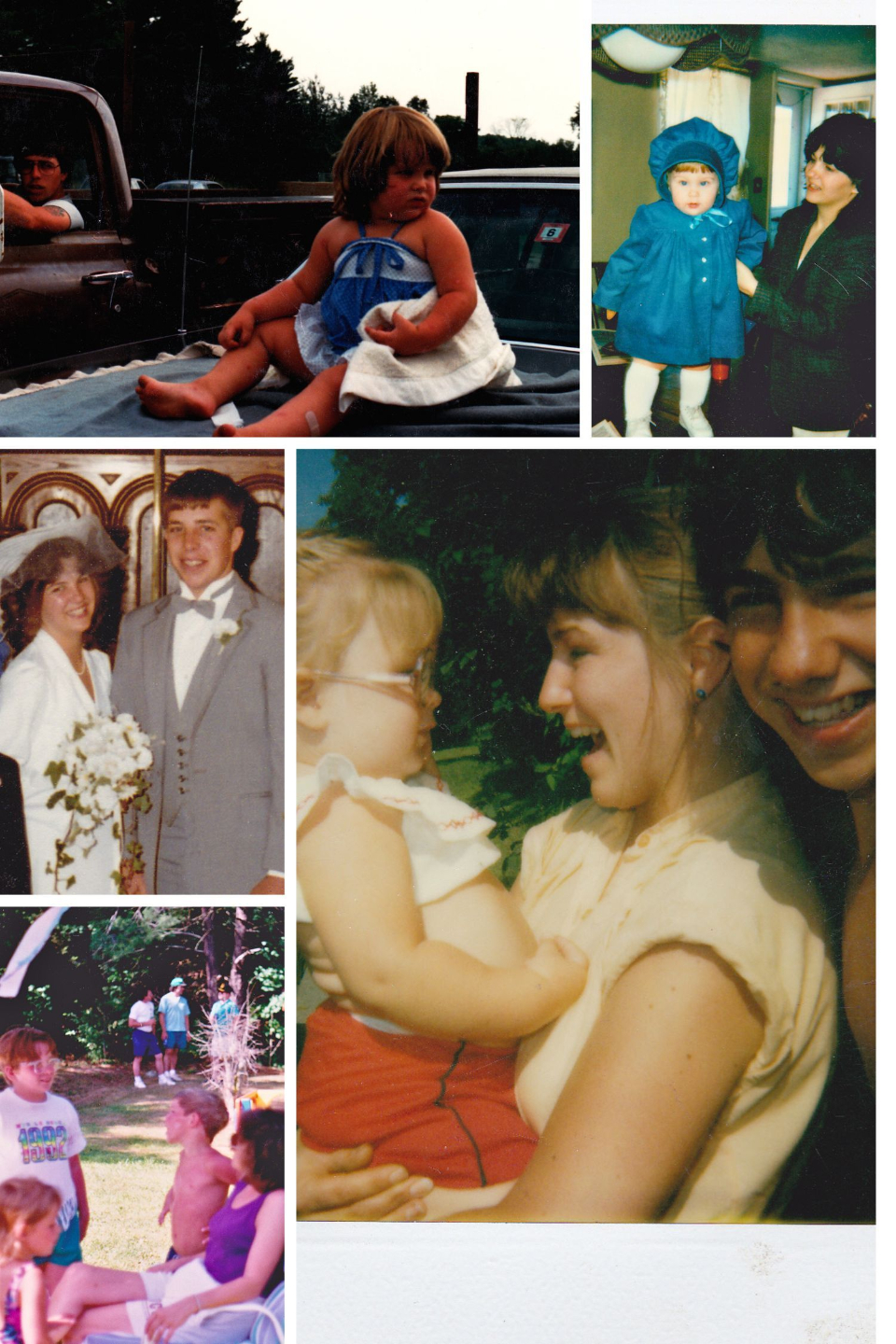
I grew up between two very different worlds. One was chaotic, unpredictable, and marked by young parents who were still learning how to navigate their own emotions and relationships. The other—my grandparents’ home—was warm, steady, and full of connection. They didn’t have much in terms of material things, but they offered something far more important: presence, encouragement, curiosity, and a deep sense of being cared for.
Living between these two realities shaped my understanding of safety and belonging long before I had language for it. I knew what it felt like to crave connection from someone who wasn’t able to offer it. I also knew what it felt like to be held in a space where I could explore, imagine, and grow.
As a child who was often misunderstood or underestimated, I didn’t always fit into school groups or certain family systems. I learned early that I couldn’t rely on others to hand me a sense of belonging—I would have to create it. One of the first times I did that was in elementary school, when I wrote a proposal to the school board to create a community dance in our rural town. My mom and other parents helped chaperone, and the Grange Hall filled with kids from surrounding towns. Even then, I was drawing people together and building connection where it didn’t already exist.
These early experiences—of feeling both unwanted and deeply wanted, both unseen and fully seen—would eventually become the foundation of my work.
Discovering My Calling in Attachment Work
As a young adult, I moved to the South and began working in a residential treatment setting with children who had experienced profound attachment wounds. These were kids who had been rejected, abandoned, or harmed by the very people who were supposed to protect them. Their trauma showed up not just in their behavior, but in their bodies, their relationships, and their deepest beliefs about themselves.
I was struck by how the therapists worked with them—not through intimidation or forced compliance, but through steady connection, attunement, and patience. I watched them hold space for children who had never experienced safe relationships before. Something in me understood this work intuitively. These patterns, these wounds, this longing for safety—I recognized it. Not because my story was the same as theirs, but because I understood the emotional landscape.
I realized I wanted to do more than mentor kids. I wanted to understand the roots of their trauma, the attachment dynamics shaping their behavior, and how to help them repair those early injuries. That led me to pursue my MSW at Winthrop University, where I deepened my understanding of trauma, systems, and relational work.
After several years in the South, I felt the pull to return to Vermont—the place that grounded me, the place where my roots meant something. Coming home wasn’t just a geographical move; it was a return to the environment that shaped my resilience, my sensitivity, and my understanding of community.
My early work in Vermont included supporting adults navigating trauma and substance use. Whether working with children or adults, the theme was always the same:
people want to feel connected, safe, and understood.
And when they don’t have that, symptoms emerge. Patterns emerge. Survival strategies take over.
My calling became clear:
help people heal at the level of relationship—within themselves and with others.
Finding EMDR and My Professional Community
When the pandemic began, I—like many therapists—felt professionally isolated and emotionally depleted. I knew I needed a way to deepen my work, and I began training in EMDR therapy. EMDR immediately resonated with me. It brought together everything I believed in: attunement, body awareness, meaning-making, and the understanding that the past lives in the present.
But I still craved mentorship, guidance, and community—people who practiced EMDR with relational depth and integrity. For reasons I couldn't make sense of at the time, I had difficulty connecting with consultants in Vermont. So I reached outward and found a consultant from The Center for Excellence in EMDR Therapy.
From the very first consultation, something clicked.
These were the people who spoke my language.
They were curious, grounded, relationally attuned, and deeply committed to the craft of therapy. They understood trauma the way I understood it—not as isolated incidents, but as patterns formed in relationship. They valued integrity and presence. They believed the therapeutic relationship is central to healing. For the first time in my professional life, I felt fully seen by colleagues.
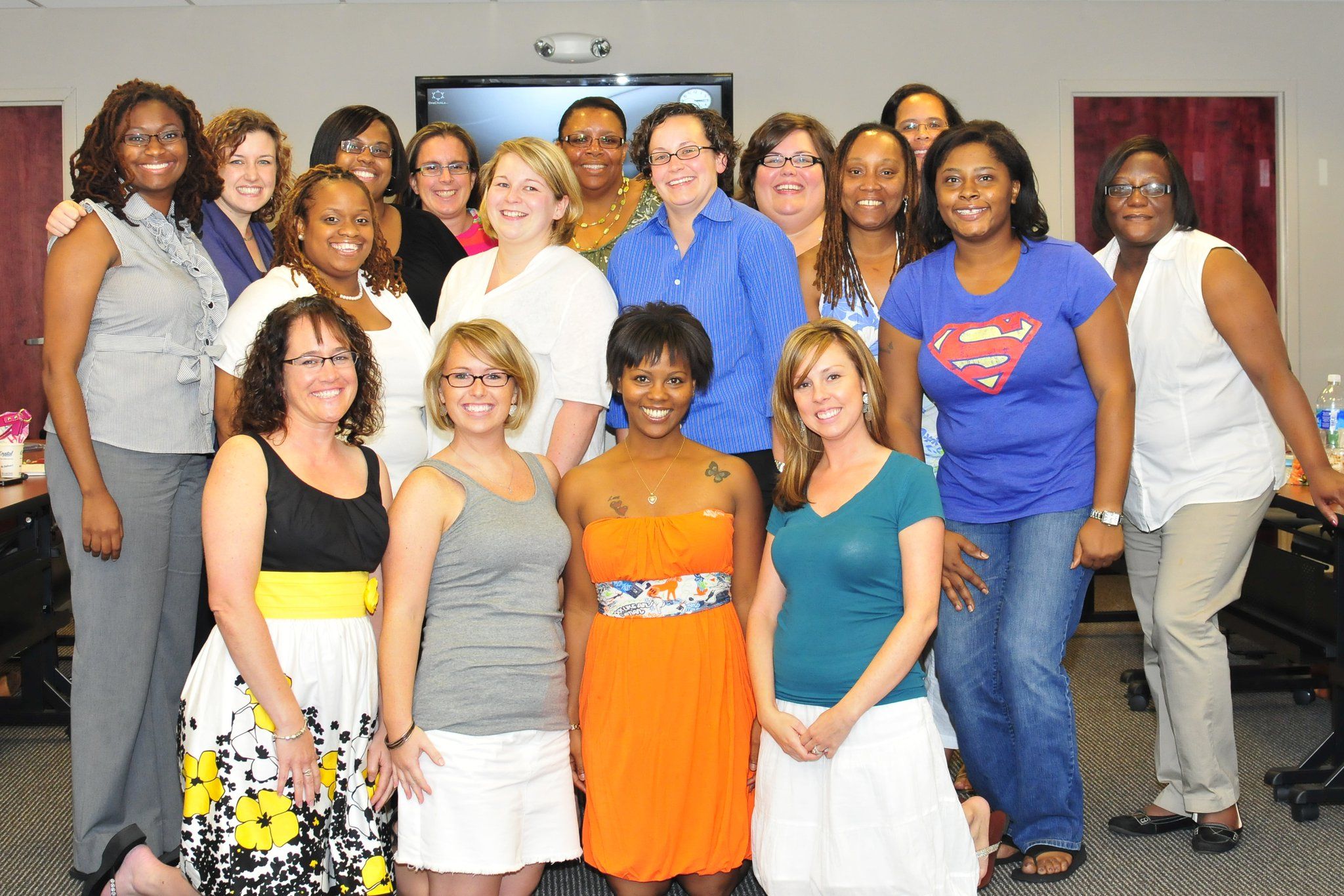
This community didn’t just refine my clinical skills; it helped me become the therapist I was always meant to be. Over time, I developed deeper connections with faculty, pursued advanced training, and eventually became a Certified EMDR Therapist, EMDRIA Approved Consultant, and a faculty member at the very Center where I first felt at home.
At the same time, another part of me began creating community here in Vermont. I founded the Vermont Counseling Network as a way to bring therapists together during a time of profound disconnection. It grew quickly, serving as a reminder of something I’ve known since childhood:
when belonging doesn’t exist, we can create it together.
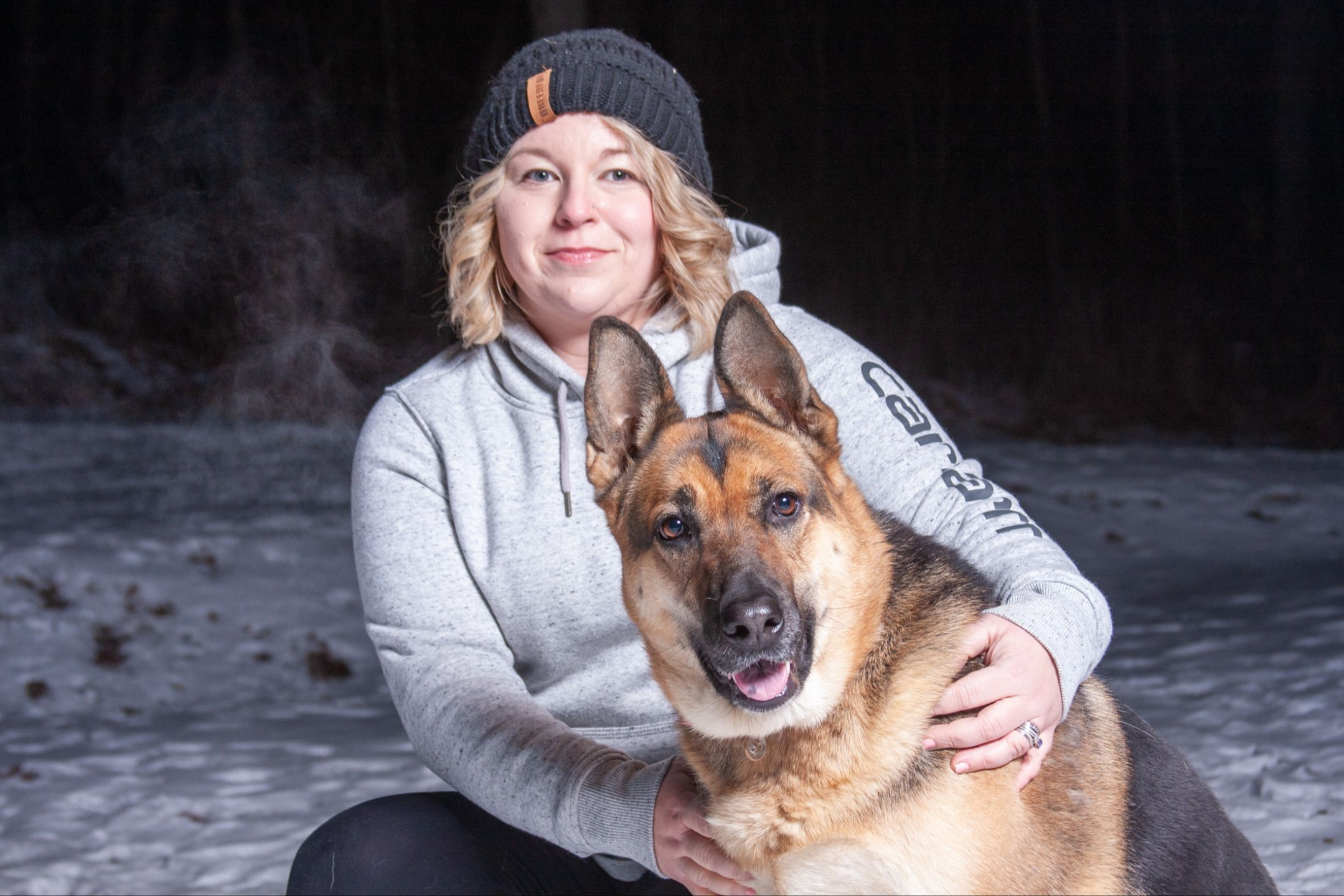
"In my practice and in my life, I return to three things:
Progress over perfection. Connection over control. Curiosity over judgment.
They shape how I sit with clients, how I move through my own growth, and how I hold space for what’s possible."
I'm all about
Strong coffee, deep conversations, Vermont woods, saying what’s real, showing up fully, letting things be messy, community over isolation, learning with my clients, authenticity over polish.
I'm not about
Pretending to have it all together, small talk when depth is needed, quick fixes, toxic positivity, shrinking your needs, rushing the process, therapist neutrality when compassion is needed, shaming survival strategies, turning away from what’s real.
WE MAY BE
The perfect
fit
if...

-
You’ve done therapy before but still feel stuck in the same emotional or relational patterns.
-
You’re open to exploring how your past affects your present—even if you don’t know where it will lead.
-
You want therapy that focuses on felt experience, not just retelling your story.
-
You’re looking for something deeper than coping skills—a way to shift what’s underneath, not just manage it.
Why I Do This Work: Upcycling Trauma
Every chapter of my life—my childhood experiences, my return to Vermont, my work with children and adults, my training in EMDR, and my community building—has led me to one central truth:
Healing isn’t about erasing or correcting the past.
It’s about upcycling it—transforming early experiences into new possibilities for connection, clarity, and thriving.
I work with individuals, couples, and families who feel stuck in familiar emotional patterns—people who long for connection but don’t know how to bridge the gap. My passion is helping them understand how those patterns were formed, how they show up in their bodies and relationships, and how they can be reshaped through relational repair.
Submit an Inquiry ➡